

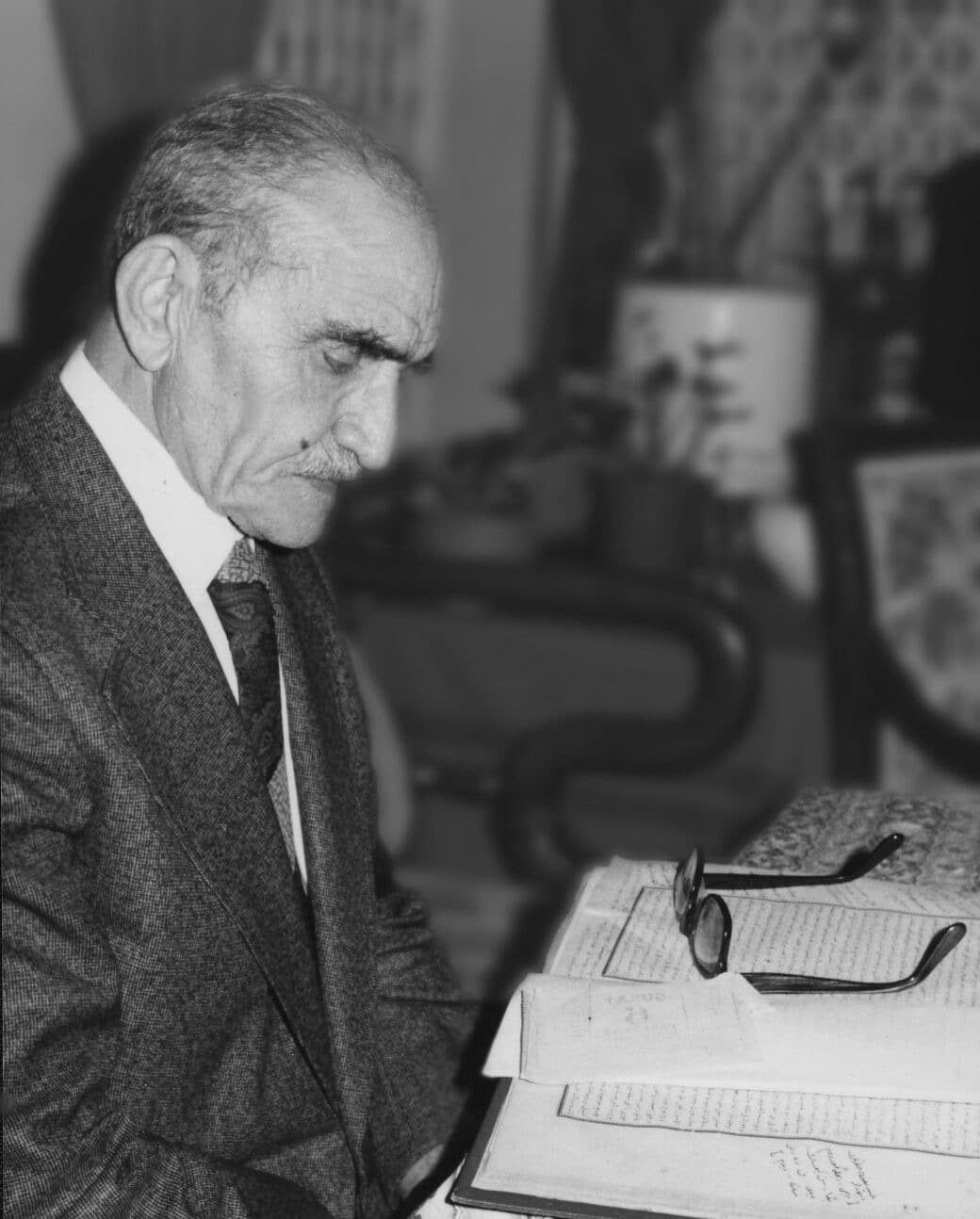
Günümüzde Mevlânâ ve Mesnevi denildiği zaman ilk akla gelen isimdir Şefik Can. Hazreti Mevlânâ’dan günümüze uzanan Mesnevihanlık zincirinin en son halkasıdır. Tüm yaşamı boyunca mütevazı hânesinin bir köşesinde, gösterişten uzak, sessiz, sakin bir şekilde yaşayarak, Mehmet Akif’in “Sessiz yaşadım kim nereden bilecektir” mısralarıyla kendini tanımlamıştır. Bir asra yakın hiç durmadan, gürül gürül akan duru bir aşk çeşmesi, Hz. Mevlânâ semâsının parlak bir yıldızı, Türk Silahlı Kuvvetlerinin çok değerli, seçkin bir kumandanı olan Şefik Can Hocamızın annesi; Ardahan’ın Carısğev kasabasından Yusuf Ağa’nın kızı Gülşen Hanım’dır. Devrinin son derece varlıklı, kültürlü, saygın bir insanı olan Yusuf Ağa’nın, Gülşen Hanım’dan başka üç de oğlu vardır. Ahmet, Muhammed ve Mustafa isimlerindeki, Şefik Can Hocamızın dayıları olan bu gençler, halkın büyük bir bölümünün okuma yazma bile bilmediği 1800’lü yıllarda, Moskova Petersburg Üniversitesi’nde yüksek eğitim görmüşlerdir. Halk tarafından çok sevilen, yardımseverliği, dürüstlüğü, faziletiyle tanının Yusuf Ağa, Birinci Dünya Savaşı’nda, Rusların bölgeyi işgal etmesi üzerine, çok iyi derecede Rusça bilmesi ve halk üzerindeki saygın otoritesi nedeniyle, yaşadıkları kasabaya Nahiye Müdürü olarak atanmıştır.
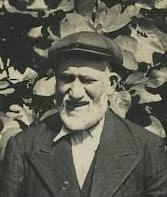
Ardahan’ın Nakala Köyü eşrafından olup, dönemin çok önemli ilim ve eğitim merkezlerinden Erzurum’un Pervizoğlu Medresesi’nde Müderrislik yapan, büyük âlimlerden Hacı Hilmi Efendi’nin oğlu Tevfik Efendi, Şefik Can Hocamızın babasıdır. Küçük yaşlarda babasından aldığı maddi, mânevi eğitimin yanı sıra, yaşadığı dönemin en iyi medrese ve okullarında da okuyan Tevfik Efendi; Erzurum’daki bir Kız Rüşdiyesi’nde (Ortaokul) uzun yıllar tarih öğretmenliği yapmıştır. Daha sonraları kendi isteğiyle Müftü olarak görevine devam etmiştir. Birinci Dünya Savaşı sırasında Ermenilerin Erzurum’da yapmış oldukları katliamın vahametinden kaçarak Sivas’ın Yıldızeli kasabasına yerleşen Tevfik Efendi, savaş yıllarında bölgedeki birliği ve beraberliği koruma, din adına yapılan yanlış uygulamalara karşı, cahil halkı eğitme maksadıyla yoğun çaba harcamış, kişisel gayretleriyle ülkemizin barışına ve huzuruna, ilmi ve irfanıyla katkıda bulunmuştur. Millet olarak çok zor günler geçirdiğimiz Kurtuluş Savaşı günlerinde, aydın bir din adamı olarak yapmış olduğu hayırlı hizmetleri, Mustafa Kemal Atatürk tarafından da takdir edilerek, daha sonraları kendilerine “Millet Meclisi Başkanı Mustafa Kemal” imzalı özel bir teşekkür mektubu gönderilmiştir.
Böylesine geniş, köklü, maddi, mânevi ilim, irfan sahibi, aydın bir ailenin çok güzide bir ferdi olan Şefik Can Hocamız; 1909 yılında Erzurum’un Tebricik köyünde dünyaya geldi (Resmi kayıtlarda 1910 olarak görünmektedir). Çok küçük yaşlarda, Birinci Dünya Savaşı’nın ve Kurtuluş Savaşımız’ın getirmiş olduğu sıkıntıları, acıları ve ıstırapları çok derinden yaşadı. Aynı yıllarda daha küçük bir çocukken annesi Gülşen Hanım’ı kaybetti. Babasının tüm çabasına ve gayretine rağmen, dinmek bilmeyen anne hasretinin yakıcılığıyla büyüdü.
1914 yılında başlayan Birinci Dünya Savaşı’nı, tüm dehşetiyle yakından yaşayan bir çocuk olan Şefik Can Hocamız, boşalan tüfek fişeklerinin mukavva kutusundan, kendisine okul çantası yaparak 1916 yılında, Sivas’ın Yıldızeli ilçesinde ilkokula başladı. Osmanlı’nın son dönemlerinde, “Padişahım çok yaşa” diye başladığı ilkokulu, 1922 yılında “Kemal Paşa çok yaşa” coşkusuyla bitirdi. Büyük bir imparatorluğun hazin çöküşünü, köklü
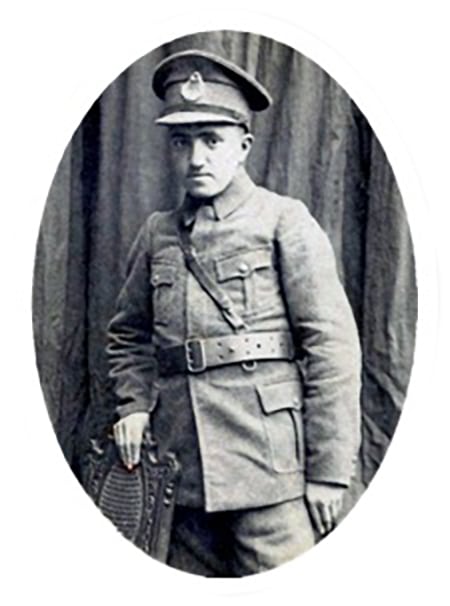
Şefik Can Dede – Tokat Askeri Okulu’nda 1924
bir kültürün yok oluşunu, yeni kurulan Cumhuriyetimiz’in doğum sancılarını birebir yaşayarak, yakın tarihimizin çok önemli bir tanığı oldu. İlkokulu bitirdikten sonra babasının arzusu üzerine, askeri okul imtihanlarına girdi. Bu imtihanı başarıyla kazanarak, Birinci Dünya Savaşı nedeniyle tüm dünyayla birlikte ülkemizin de çok zor günler geçirdiği 1923-1924 öğretim yılında Tokat Askeri Ortaokulu’na başladı.
Kurtuluş Savaşımız sırasında ülkemizin yaşadığı tüm yokluğu ve sıkıntıları çok yakından yaşayan Şefik Can Hocamız, Tokat’daki öğrencilik günlerinde, şiddetli kış soğuğundan korunabilmek için, dipçik darbeleriyle parçalanan Yunan askerlerinin yırtık paltolarını giymek zorunda kaldı. Çok eski bir kiliseden okula dönüştürülen, elektriği, suyu olmayan bir okulda, fitilli gaz lambası ışığında ders yaparak, yatakhanedeki otlar üzerinde yatıp, yarı aç, yarı tok, büyük bir vatan aşkı, engin bir özveriyle Tokat Askeri Ortaokulu’na devam etti.
O yıllarda, ülkemizin savunması, gücü ve selâmeti açısından, Kurtuluş Savaşı sırasında kaybettiğimiz, Subay ve askerlerimizin yerini bir an evvel doldurmak ve ülke savunmasını en kısa zamanda güçlendirmek maksadıyla Askeri Ortaokullar iki yıla indirilerek, öğrenciler hemen liseye alındı. Böylece iki yılda Tokat Askeri Ortaokulu’nu bitiren Şefik Can Hocamız, 1926-1927 öğretim yılında İstanbul Kuleli Askeri Lisesi’ne başladı.
(Her şeyin üstünde olan vatan ve millet bütünlüğümüzü korumaya çalışarak, üzerinde yaşadığımız topraklarda özgürce dolaşabilmemiz için, ne acı ve sıkıntılar çekildiğini, 400 bin şehit kanıyla sulanan vatanımıza geçmişte olduğu gibi, bugün de bizlerin sahip çıkmasının ne denli önemli olduğunu, birkaç satırla da olsa bir kez daha hatırlamak dileğiyle yukarıdaki satırları arz etmeye çalıştım)
Tokat’daki ortaokulun aksine, savaşın getirdiği yoksulluktan fazla etkilenmeyen Kuleli Askeri Lisesi’ni 1929’da, Harp Okulu’nu da, 1931 yılında bitirdi. Şefik Can Hocamız, hatıralarında “1927-1931 senelerini içine alan 4 yıllık okul hayatım diyebilirim ki, 96 yıllık ömrümün en duygulu, en güzel senelerini ihtiva etmektedir.” demiştir. Yaşamındaki bu en güzel yıllarda kendisine eşlik eden çok yakın okul arkadaşları ise, Genel Kurmay Başkanlığı yaparak, ülkemizde bir döneme damgasını vuran Faruk Gürler, Semih Sancar ve Orgeneral Hasan Polatkan’la birlikte Atatürk’ün en yakın okul arkadaşlarından Tatar İzzet Paşa’nın oğlu Nuri oldu. Bu çok değerli okul arkadaşlarıyla olan dostluğu yaşamları boyunca en samimi şekilde devam etti.
Beş yüz mezun içerisinde on dokuzuncu olarak Harp Okulu’nu bitiren Şefik Can Hocamız, 1930’ lu yıllarda Harp Akademisi olan, İstanbul Yıldız Sarayı içerisindeki Levazım Yüksek Okulu’nda görmüş olduğu bir yıllık eğitimden sonra, 1932 senesinde Haydarpaşa Askeri Veteriner Okulu’nda Ayniyat Muhasibi olarak göreve başladı. Dönemin popüler dergilerinden Yeni Adam, Türk Sanatı, Bilgi Yurdu gibi tanınmış kültür ve edebiyat dergilerine hikâye ve makâleler de yazan Şefik Can Hocamız, 1934 yılında Yeni Adam dergisinin açmış olduğu hikâye yarışmasına “Deli İsa” adlı hikâye ile katılarak bu yarışmada ödül aldı. Edebiyata, tarihe, öğrenmeye ve öğretmeye karşı aşırı ilgisi nedeniyle, aynı yıllarda, İstanbul Üniversitesi Edebiyat ve Tarih bölümlerine devam etti. Kumandanlarından izin almadan Üniversiteye devam etmesi, askeri yetkililerce uygun bulunmadı. İstanbul’dan alınarak, Kırklareli’nin Vize kazasına Ambar Müdür Yardımcısı olarak tayin edildi.
Çocukluk günlerinin geçtiği, Sivas’ın Yıldızeli kasabasının, diğer bir ismi de Yenihan olması nedeniyle, İlkokuldan beri “Mehmet Şefik Yenihan” ismiyle çağrılan Şefik Can Hocamız, 1934 yılında soyadı kanununun çıkmasıyla, babası dahil tüm ailesi “Balcı” soy ismini alırken, hayatı boyunca çok önemseyip değer verdiği babasının, çocukluğundan beri kendisine, Erzurum’da yöresel bir çağırma şekli olan “Can” sözcüğüyle hitap etmesi dolayısıyla, babasına saygı nişânesi olarak, tüm ailesinden farklı bir şekilde sadece kendisi “Can” soy ismini aldı.
Genç bir Teğmen olarak görev yaptığı Vize’de edebiyata ve öğretmenliğe karşı içinde hiç dinmeyen sonsuz iştiyakı nedeniyle, birçok kez yapmış olduğu öğretmenlik başvurusu; Alay kumandanı İshak Avni Paşa tarafından “Bu Vatana öğretmen çok bulunur, fakat ben senin gibi asker bulamam” diyerek, bu isteği her defasında geri çevrildi.
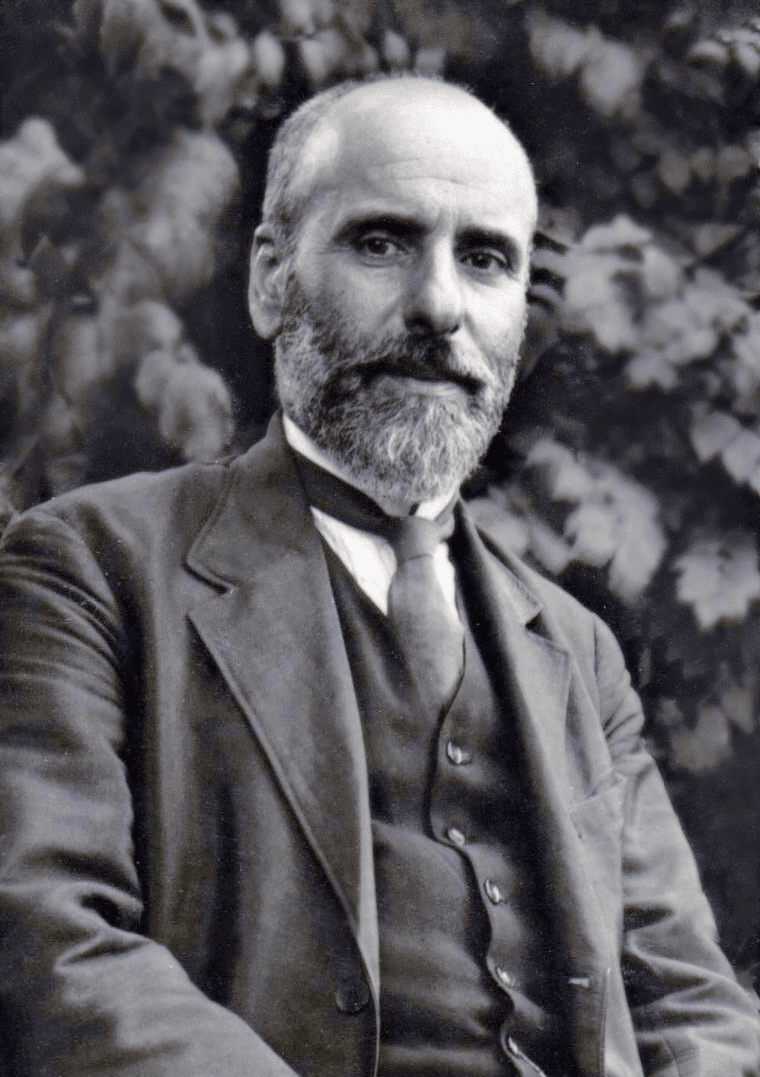
Tâhirü’l-Mevlevî
Son çare olarak gözyaşları içerisinde bir mektup yazıp, çok değer verdiği Alay Kumandanı’na iletti. Satırlara yansıyan öğretmenlik aşkı, bu konudaki içtenliği, samimiyeti, İshak Avni Paşa’yı çok etkiledi. Uzun bir mücadeleden sonra nihayet öğretmenlik arzusu kabul edilerek Milli Savunma Bakanlığı’nın da izniyle, İstanbul Üniversitesi’nde imtihan verip, Öğretmenlik belgesi aldı. 1935 senesinde Kuleli Askeri Lisesi’nde Tâhirü’l Mevlevi’nin (Tahir Olgun) yanında stajını tamamlayarak öğretmenliğe başladı.
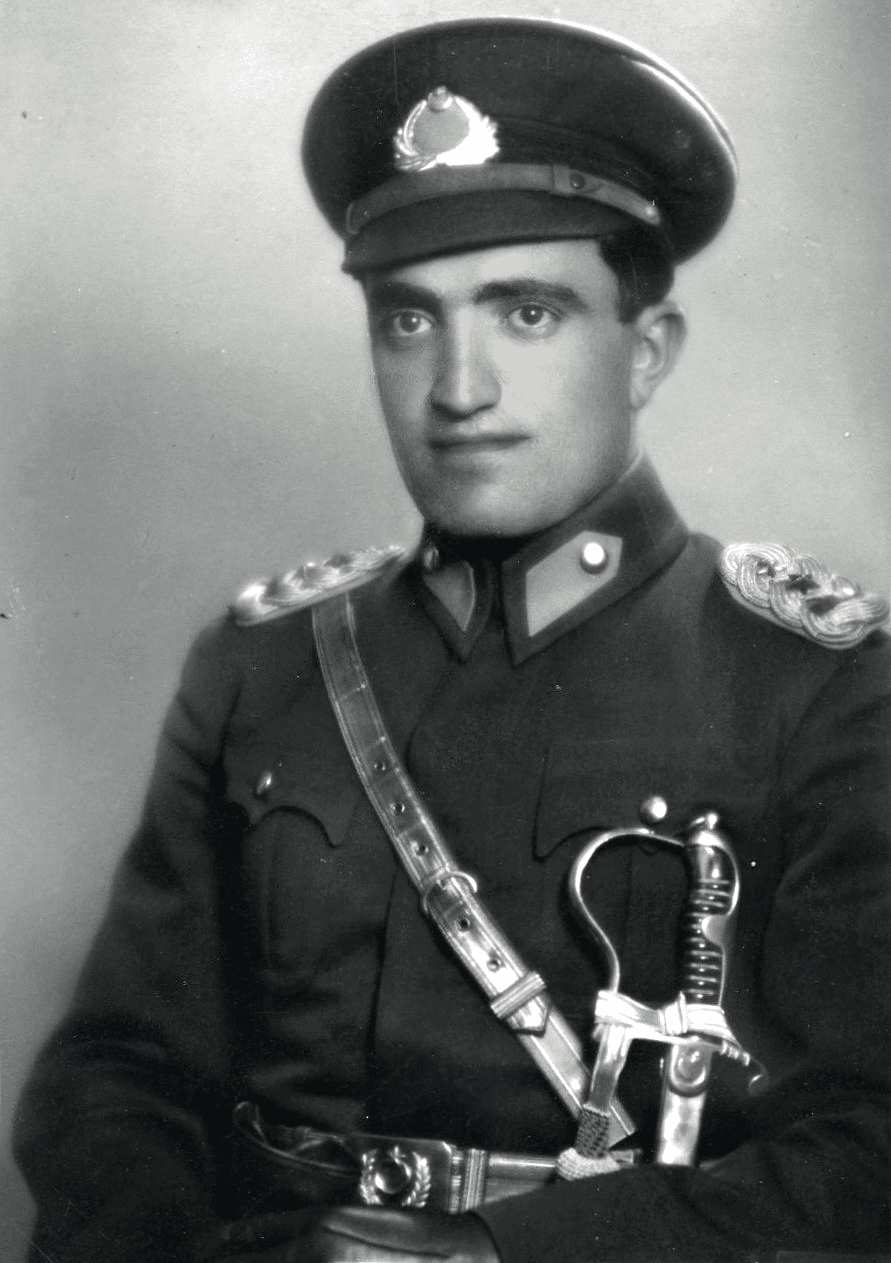
Şefik Can Dede Harp Okulu’nda 1931
1937 yılında, Tanzimat Edebiyatı’nın meşhur gazetecisi, siyasetçisi, şâiri ve yazarı Namık Kemal’in, Maltepe Askeri Lisesi’nde öğretmen olan oğlu, Ali Ekrem Bolayır’ın vefatı üzerine, Kuleli Lisesi’yle birlikte, Maltepe Askeri Lisesi’nde de edebiyat hocalığı yapmaya devam etti.
1941 yılında, tanınmış Osmanlı paşalarından Kadri Raşit Paşa’nın yeğeni ve Abdûlhamit Han’ın eczacısı Miralay Mehmet Refik Pasin’in kızı Müşfika Pasin Hanımefendi’yle evlendi. Bu evliliğinden 1942 yılında Mine, 1946 yılında Gülşen adında iki kız çocuğu dünyaya geldi.
İkinci Cihan Savaşı nedeniyle 1941 yılı içerisinde, Kuleli Askeri Lisesi Konya’ya, Maltepe Askeri Lisesi de Akşehir’e taşındı. O yıllarda Şefik Can Hocamızın gönülden bağlandığı, Tâhirü’l Mevlevi Hazretleri, savaş yıllarında İstanbul’dan ayrılıp Konya’ya gitmek istemedi. Sivil Öğretmen olması nedeniyle, Kuleli Askeri Lisesi’nden istifa ederek, Darüşafaka Lisesi’ndeki görevine devam etti. Şefik Can Hocamız çok değer verdiği mürşidinden ayrılmak zorunda kalarak, önce Akşehir’e daha sonra da Kırıkkale Askeri Sanat Enstitüsü’ne öğretim müdürü olarak atandı. 1949 yılına kadar Kırıkkale’de kalan Şefik Can Hocamız, 1950 yılında tekrar Kuleli Askeri Lisesi’nde Edebiyat öğretmeni olarak göreve başladı. 1965 yılında Konya Astsubay Okulu Öğretim Müdürlüğü’nden emekli oluncaya kadar, çeşitli askerî okullarda, emekli olduktan sonra da sivil kolejlerde ve liselerde Edebiyat ve Türk.e öğretmenliği yaptı.
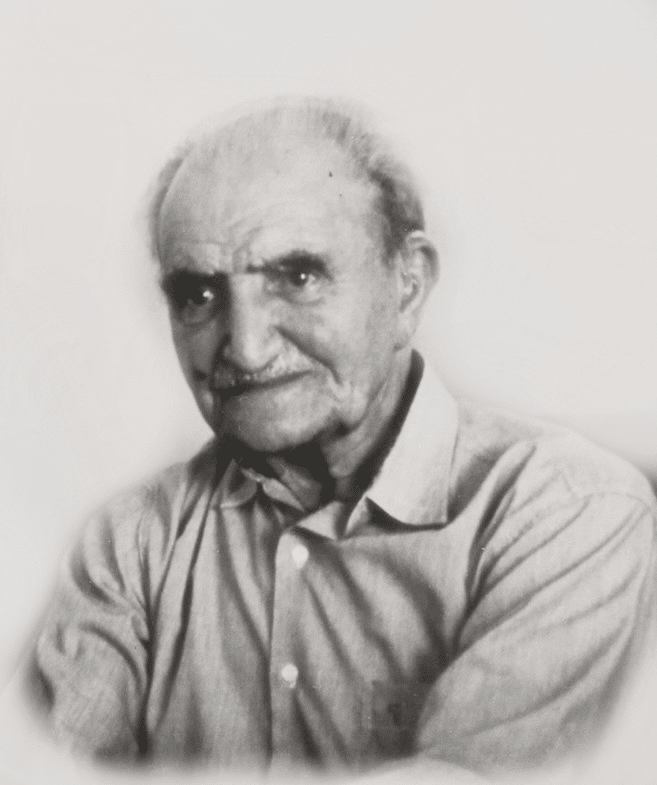
Şefik Can Dede 90’lı yıllar
“Binlerce kez dünyaya gelsem her defasında gene öğretmen olmak isterdim” diyen Şefik Can Hocamız, son nefesine kadar tüm yaşamını ilme, eğitime ve öğretime adadı. Çok iyi derecede bildiği Arapça, Farsça, İngilizce ve Fransızca’nın yanı sıra, öğretmensiz bir şekilde kendi kendine öğrendiği Rusça’ya bir de gramer yazdı. Bu eser henüz yayınlanmadı.
Çocukluğundan beri tüm yaşamını mânevî değerlere göre şekillendiren Şefik Can Hocamız, özellikle Tâhirü’l Mevlevi Hazretleri’nden aldığı feyz ve muhabbetle, Hz. Mevlânâ ve öğretisine karşı çok büyük bir hayranlık duyarak Allah’ın lütfettiği bereketli ömrünü, Hz. Mevlânâ’ya ve onun eserlerine adayarak geçirdi. Tâhirü’l Mevlevi Hazretleri’nden almış olduğu “Mesnevihanlık” icazetiyle 1960 yıllarında başlamış olduğu Mesnevi derslerine son nefesine kadar devam etti. Hz. Mevlânâ ve eserleri üzerine yapmış olduğu çalışmalarından dolayı, 2001 yılında yüksek hizmet ödülü aldı.
Yayımlanmış eserleri şunlardır:
1. Mevlânâ ve Eflatun, Konya İleri Matbaası 1965; İkinci basım, Gelenek Yayınları, 2004
2. Klasik Yunan Mitolojisi, İnkılap Yayınevi, 1970.
3. Mevlâna Rubailer, Kültür Bakanlığı, 1991.
4. Mevlâna Hayatı Şahsiyeti Fikirleri, Ötüken Yayınevi, 1995.
5. Konularına Göre Açıklamalı Mesnevi Tercümesi, Ötüken Yayınları, 1997.
6. Dîvân -ı Kebîr Seçmeler, Ötüken Yayınları, 1999.
7. Tâhirü’l Mevlevi’nin vefatı dolayısı ile şerh edemediği Mesnevi’nin 5 ve 6. ciltlerinin şerhi, Şamil Yayınevi 2000
8. Cevâhir-î Mesneviyye, Ötüken Yayınevi, 2001
9. Güldeste- Erzurumlu İbrahim Hakkı Hz.’lerinin Hz. Mevlânâ’dan seçtiği 50 şiir asılları ile birlikte, Konya Büyükşehir Belediyesi Yayınları, 2001
10. Mesnevi Hikâyeleri, Ötüken Yayınevi, 2003.
11. Mevlâna Hayatı Şahsiyeti Fikirleri, İngilizce Çevirisi, Işık Yayınları, 2004.
12. Okullar için Mesnevî’den Seçmeler, Ötüken Yayınları, 2005.
Çok değerli dostlar; görüldüğü gibi tüm yaşamını ilme, eğitim ve öğretime adayan Şefik Can Hocamız, Tâhirü’l Mevlevi, Mithat Bahari, Ahmet Avni Konuk, İsmail Hâmi Danişment, İbn-ül Emin Mahmut Kemal ve Seniha Bedri Göknil gibi çok değerli zevatın devlethanelerinde yapılan, dönemin çok değerli ilim, edebiyat, sanat ve tasavvuf büyüklerinin katıldığı sohbet günlerinin her zaman beklenilen, seçkin bir konuğu olmuştur. Çok geniş ufku, entelektüel kişiliğiyle, tüm maddi mânevi değerlerimize, düşünceye, sanata, sanatçıya, edebiyat ve tarihimize vermiş olduğu yüksek değerle, geniş bir dost yelpazesi içinde, hayatı her yönüyle hissederek yaşayan Şefik Can Hocamız, 1900’lü yılların tümüne, ilim ve irfanıyla tanıklık etmiştir. Hz. Mevlânâ ve Mesnevi sevdasıyla, eğitim ve öğretime adanmış, doksan altı yıllık hayırlı ömrü içerisinde görüştüğü, dostluk kurduğu tarihe mal olmuş çok değerli şahsiyetlerden bazıları şunlardır:
1919 yılında Sivas Kongresi dolayısıyla Sivas’a gelen Mustafa Kemal Atatürk’ü, İlkokul üçüncü sınıf öğrencisiyken, öğretmen ve arkadaşlarıyla karşılamaya giderek, farkında bile olmadan yakın tarihimize tanıklık ederken, Atatürk’ü de ilk defa yakından görmüştür. Yıllar sonra Harp Okulu öğrencisiyken, habersizce okulu teftişe gelen, Mustafa Kemal Atatürk’le birlikte Silah Fenni dersine katılan Şefik Can Hocamız dersi sonuna kadar Atatürk’le birlikte takip edip dinlemiştir. Harp Okulundan mezun olduktan sonra da genç bir Teğmen olarak bir gezi sırasında Atatürk’e eşlik etmiştir.
Mısır’dan döndükten sonra uzun bir hastalık dönemi geçiren, İstiklal Şairimiz Mehmet Akif Ersoy’u, hastanede ziyaret ederek tanışan Şefik Can Hocamız; zaman içerisinde çeşitli vesilelerle, Kazım Karabekir Paşa, Mareşal Fevzi Çakmak Paşa, yukarıda arz edildiği üzere Cumhurbaşkanlığı yapan Semih Sancar ve Faruk Gürler Paşa, Orgenaral Hasan Polatkan, Atatürk’ün çok yakın okul arkadaşlarından Çanakkaleli Tatar İzzet Paşa, Kenan Evren Paşa, Halide Edip Adıvar, Rabindranath Tagor, Orhan Seyfi Orhon, Raif Nejdet, Muhiddin Raif, Cemil Sena, Aziz Nesin, Nazım Hikmet, Necip Fazıl, Muhsin Ertuğrul, Hüseyin Siyret, Ferit Kam, Rıza Tevfik, Ali Nihat Tarlan, Fuad Köprülü, Hasan Ali Yücel, İbrahim Alaaddin Gövsa, Feridun Nafiz Uzluk, Süheyl Ünver, Tahsin Yazıcı, Abdulkadir Akçiçek, Ömer Rıza Doğrul, Mehmet Zeki Pakalın, Elmalı Hamdi Yazır, Hattad Hamid Aytaç, Abdulbaki Gölpınarlı, H. Hilmi Işık, Ali Ulvi Kurucu, Yusuf Ziya Ortaç, Şukufe Nihal, Semiha Ayverdi, Seniha Bedri Göknil, Ayten Lermioğlu, Sofi Huri, Annemariye Schimmel, Suudul Mevlevi, Neyzen Tevfik, Ahmet Kabaklı, Eşref Edip, Peyami Safa. Hacı Sami Ramazanoğlu, Adıyamanlı Raşit Efendi, Şemseddin Yeşil, Ladikli Ahmet Ağa, Necmeddin Efendi, Muzaffer Ozak Efendi, Remzi Dede, Süleyman Hayati Dede, Yaman Dede, Selman Tüzün Dede, Hakkı Dede, Münir Çelebi, Esedullah Keymen Çelebi, Celâleddin Çelebi, Şemsi Ergüneş, Osman Senai, Ziya Şoşot, Mahmut Sadettin Bilginer, Ahmet Tahir Efendi, Mustafa Efendi. Selahaddin Efendi, Muhiddin Efendi.
Görüldüğü gibi Şefik Can Hocamız bizlerin, isimlerini ancak kitaplardan okuyup öğrenebileceği çok değerli şahsiyetlerle hemdem olmuştur. Bir kez daha arz etmek isterim ki; Ülkemizin tarihi kimliğini ve dokusunu yakından bilen, büyük bir imparatorluğun hazin çöküşünü, köklü bir kültürün yok oluşunu, Cumhuriyetimizin sancılı doğuşunun her anını, çok derinden hissederek yaşamıştır. Hakk ve hakikat yolunda hizmetle geçen yorgun günleri, ehli tarafından araştırılıp incelenmiş olsaydı, yaşadığı her yıl için, ayrı bir kitap yazılabilir, zamana gömülmüş nice maddi mânevi milli değerlerimizin, farklı yönleri gün yüzüne çıkarılarak, gönlümüzde çeşitli ufuklar açabilirdi. Bendeniz ehil olmamakla birlikte bazı hatıralarını derlemek için gayret gösterdim. İnşallah zaman içerisinde onları da sizlerle paylaşmak nasip olur.
EDEBİ KİŞİLİĞİ
Şefik Can Hocamızın yüreğinden taşan ilahi sevgi, insanlara hizmet ve muhabbet şeklinde ortaya çıkmıştır. Kendi hayat tecrübesi, içinde bulunduğu çağın sosyal ve kültürel şartları onu insanların en acil ihtiyaçları olarak gördüğü Hz. Mevlânâ’nın eserlerine yöneltmiştir. Hazırlamış olduğu eserlerini gönlündeki ilahi aşk ile harmanlayarak, ifadenin en berrak, en basit, en sanatsal bir şekliyle, herkesin anlayabileceği ölçüde, edebi bir üslup içinde hazırlamıştır. Çalışmalarında hassas bir mizaç, köklü bir kültür, sağlam dil, çok derin edebiyat ve tarih bilgisi, ince dikkat, kuvvetli sezgiyle geniş bir tasavvuf anlayışı, aşk derecesine ulaşan divân edebiyatı hakimiyeti hemen göze çarpmaktadır. Bir ömür vererek hazırladığı bu eserleri önemsemek şöyle dursun, daha fazla hizmet edememenin hüznünü her zaman yaşamıştır. Maddeden çok mânâya itibar eden, şöhretten kaçan, gösterişsiz, mütevazı, eserlerinin basılıp yayılmasından ziyade, sadece mahdut da olsa anlayışlı gönül ehli bir zümre tarafından bilinip okunup değerlendirilmesini istemiştir. Onun yaşamındaki tek hırsı ve tutkusu sadece Hz. Mevlânâ olmuştur. Hem mânevi özelliği, hem yüksek ahlak güzelliğiyle, ilim, takva, aşk ve muhabbeti, ve diğer hâl ve tavırlarıyla her zaman Hz. Mevlânâ’nın örnek şahsiyetini hayatında en güzel bir şekilde yansıtarak, çevresine öncüllük etmiştir. Doğru bildiğini en doğru bir şekilde yaşama gayreti içinde olan, Şefik Can Hocamızın Hz. Mevlânâ’ya olan tutkusu; teslimiyet, sadakat, bağlılık ve güçlü bir iman derecesine ulaşmıştır.
Hayatı maddi mânevi bir bütün olarak yaşayan Şefik Can Hocamızın yaşamını birbirinden ayrı tutmak çok zor gibi görünse de, anlayabildiğim ve anlatabildiğim ölçüde, mânevi boyutunu öncelikle arz etmek isterim. Hz. Mevlânâ aynasından yansıyan kemali, insana ve düşünceye saygısı, engin hoş görüsü, Cenâb-ı Hakk’ın lütfettiği sonsuz tevazuu ile tek gayesi insana karşılıksız hizmet olan Şefik Can Hocamızın bilindiği gibi ilk mürşidi Tâhirü’l Mevlevi Hazretleri olmakla birlikte, kendisini o günlere hazırlayıp yetiştiren Rahmetli Pederleri Müftü Tevfik Efendi’dir. Daha çocuk denecek yaşta babasından Hz. Mevlânâ’nın, Şeyh Sadi’nin, Hafız’ın, beyitlerini ezberlemiştir. Bir asra yakın ömründe hiç üzerinden etkisi silinmeyecek olan Tâhirü’l Mevlevi ismini de, ilk defa, Sebilürreşat Mecmusı’nda Tâhirü’l Mevleviye ait şiirleri büyük bir ilgi ve heyecanla okuyan babasından duyarak etkilenip hayran olmuştur.
Yıllar sonra çok değer verdiği babasıyla mürşidini tanıştırdığı zaman kendini dünyanın en bahtiyar insanı olarak addetmiştir. Tâhirü’l Mevlevi Hazretleri’nin Sebilürreşat Mecmuası’nda en son olarak yayınlanan “Hz. Peygamberin Gazve-i Bedir’de Münacâtı”adlı şiirinden bir dörtlüğü de, teberrüken aşağıda sizlere arz ediyorum.
Bu cünûd-i hamiyyeti ya Rab
Eğer eyler isen esir-i taab
Müslümanlık heder olur Rabbim
Günü günden beter olur Rabbim
Pek muhterem Pederleri Müftü Tevfik Efendi, zamanın tanınmış mânevi büyüklerinden Şeyh Bedrettin Osman Efendi’ye bağlı olup İbn-i Fariz Hazretleri’nin eserlerini şerh edecek kadar derin ilmi olan, aydın bir din adamıdır. Konumuzla alâkalı olduğu için burada kısaca arz etmek isterim; Said Nursi Hazretleri yakın bir dostuyla Tevfik Efendi’yi ziyarete gelip evlerinde misafir olarak kalmıştır. Şefik Can Hocamızın amcası hattat Şükrü Efendi’nin el yazması olarak hazırlanan bu şerhleri gece yatmayıp büyük bir hayranlıkla okuyup incelemiştir. Said Nursi Hazretleri okumuş olduğu eserin bir sayfasına, Müftü Tevfik efendi ve şerh ettiği eserle ilgili bir sayfaya yakın övgü dolu sözler yazarak imzalamıştır. Bu eser Şefik Can Hocamızın arzusu üzerine son zamanlarda yakın bir dostuna hediye edilmiştir.
Tekrar konumuza dönecek olursak çocuk yaşta babasından gördüğü mânevi terbiyenin neşesiyle, daha lise yılarında tanıma lütfuna eriştiği Tâhirü’l Mevlevi Hazretleri’ne 1935 yılında intisab etmiştir. Kendi deyimiyle baba oğul beraberliği içerisinde 1951 yılında hazretin vuslatına kadar tam 16 yıl çok büyük bir sevgi, saygı ve muhabbetle geçmiştir. Şefik Can Hocamız bu beraberliğin kendisi için çok büyük bir ilahi lütuf olduğunu her defasında tekrarlayarak, hatıralarında; “Cenâb-ı Hakk’ın şu güzel birleştirmesine bakınız ki, maddi mânevi öğretmenlik belgemi de Tâhirü’l Mevlevi Hazretlerinin mübarek elinden, onun imzasıyla aldım.” demiştir.
Menkıbeleşmiş tanışmaları, zaman içerisinde çeşitli basın organlarında defaatle yayımlanmıştır. O nedenle şimdilik burada fazla değinmemekle birlikte şunu da arz etmeden geçemiyeceğim. Bilindiği üzere Şefik Can Hocamız ilk defa Kuleli Askeri Lisesi öğrencisiyken, bir kitap istemek için Tâhirü’l Mevlevi’nin devlethanesine gitmiş, Hazret istediği kitabı vermeyerek; “Kitabı sana veremem! İstiyorsan gel içerde oku.” demiştir. Şefik Can Hocamız ise evin içine girmeyi kabul etmeyerek, istemiş olduğu kitabı alıp gitmekte ısrarlı oluştur. Sonuç olarak Tâhirü’l Mevlevi Hazretleri; ‘Kitabı istiyorsan gelir içerde okursun!’ diyerek onu kitabı vermeden geri göndermiştir. O günlerde Şefik Can Hocamızı çok üzen bu durum, bendenize Yunus Emre’nin Hacı Bektaş-ı Veli’ye buğday istemeye gitmesini hatırlatıyor. Rivayete göre; Yunus Emre buğday alıp gitmekte ısrar ederken, Hacı Bektaş-ı Veli’de boş ver buğdayı, ben sana himmet vereyim demekte ısrar etmiştir. Elbette Tâhirü’l Mevlevi Hazretleri’nin, “kitabı alıp gitme, gel içerde oku” demekteki ısrarı, sadece kitap bağımlılığından kaynaklanan, tesadüfi bir söz değildi. Arkasında büyük bir hikmet vardı. Onun içindir ki, yıllar sonra gene yolları irfan mektebi gibi olan o mübarek evde, Hz. Mevlânâ aşkıyla birleşmiş, “oğlum” dediği Şefik Can Hocamıza hem gönül hanesinde, hem de devlethanesinde önemli bir yer vererek, kendinden sonra hizmete devam etmesi için halef olarak yetiştirmiştir. Cenâb-ı Hakk’ın değişmez güzel takdiriyle iki ayrı bedende bir rûh gibi olan, bu iki büyük Mevlânâ âşıkının aşk u muhabbetle geçen on altı yıllık birliktelikleri Tâhirü’l Mevlevi Hazretlerinin vuslatına kadar büyük bir saygı ve sevgiyle devam etmiş, Şefik Can Hocamızın doksan altı yıllık yaşamı içerisinde, gönlünde hiç silinmeyen derin bir iz bırakmıştır.
Tâhirü’l Mevlevi Hazretlerinden sonra, Mevlevi Şeyhi Mithat Bahari Hazretleri’ne mânevi bir intisabı olmuşsa da, bu beraberlik mürşit, mürit ilişkisinden ziyade iki dost şeklinde geçmiştir. Mithat Bahari Hazretleri’nin, Seniha Bedri Göknil Hanımefendi’nin villasında yaptığı Cumartesi toplantılarına, dönemin çok değerli ve tanınmış Tasavvufçuları, Edebiyatçıları, Şairleri, Mûsikişinasları, Âlimleri, Hattatları, Hâfızları katılmıştır. Bu değerli âşıklar topluluğu içerisinde çok seçkin bir yeri olan Şefik Can Hocamız, Divân-ı Kebir’den bir gazel seçip getirerek, günün sohbet konusunu kendisi belirlemiştir. Mithat Bahari Hazretleri de Farsça olan bu gazelleri tercüme ederek açıklamalarını yapmıştır. Gerek sohbet günlerinde, gerek diğer zamanlarda her zaman Mithat Bahari ve Seniha Bedri Göknil hanıma çok yakın olan Şefik Can Hocamız, Mithat Bahari Hazretleri’nin arzusu üzerine vuslatından sonra Cumartesi sohbetlerine kendisi devam etmiştir. Seniha Bedri Göknil, Şefik Can Hocamızın hazırladığı eski el yazması sohbet konusu olan gazelleri, yine Mithat Bahari Hazretleri’nin el yazması olan tercümeleriyle birleştirerek, evde yaptıkları amatör bir çalışmayla kitap şeklinde getirmiştir. Mânevi değeri çok yüksek olan bu kitabı daha sonraları, Şefik Can Hocamıza armağan etmiştir.
Şefik Can Hocamızın şimdiye kadar hiç bilinmeyen bir intisabı da devrinin tanınmış Melami mürşitlerinden Şemsi Ergüneş Efendi’ye olmuştur ki; bu intisab Mithat Bahari Hazretleri’nden önceye dayanmaktadır. Rumelili Melami Şeyhlerinden Saatçi Mustafa Efendi’nin oğlu olan Davut Aydın Aslan adındaki bir Korgeneralimiz vasıtasıyla Şemsi Ergüneş Efendi’yi tanıyan Şefik Can Hocamız, konuyla ilgili olarak hatıralarında şöyle demektedir: “Çok yakın dostum olan bu generalin tavsiyesiyle Şemsi Ergüneş Efendi’yi ziyaret ettim ve çok etkilendim. Farsça biliyor. Arapça biliyor. Beş vakit namazında. Öyle nurlu bir zat ki; bana Tâhirü’l Mevlevi’yi hatırlattı. Çünkü bu zat gerçekten çok âlim, çok nurlu çok mükemmel bir zattı. Bir kandil gecesini yanında geçirdim, sabaha kadar hiç kimse uyumadı. Aman Yâ Rabbi, ilahiler, zikirler tesbihler, Şeyhimin yokluğuyla zaten çok bunalmış bir vaziyetteydim. O gece kendisine intisab ettim. O da bendenize itibar eder sohbet günlerinde hep yanında olmamı isterdi. Bir gün bendenize haber vermeden ziyaretime gelmiş. Evde olmadığımı görünce bir şiir yazmıştı. “Geldim de bulamadım” diye; çok da güzel şairliği vardı. Bedrettin Simavi’nin Varidat adlı kitabını el yazmasıyla bendenize hediye etti.”
Şemsi Ergüneş Efendi’yle ilgili detaylı bilgi olmasına rağmen, Şefik Can Hocamız bu konuyla alâkalı hiç konuşmadığı için bendeniz de bu kadarla yetiniyorum. Fakat şunu arz etmeden geçemiyeceğim. Babasının Müftü oluşu, Yenikapı Mevlevihanesi terbiyesiyle yetişmesi, Şeriatsız Hakikatı yaşamak istemeyişi, Mahmut Sami Ramazanoğluna karşı göstermiş olduğu gönül yakınlığı, bilemiyorum belki daha farklı şeylerden dolayı, Şefik Can Hocamızı genellikle Nakşi Tarikatına çok yakın biri olarak görmüşlerdir. Pek bilinmeyen yanıdır Melamilerle olan dostluğu ve yakınlığı. Hayatı incelendiği zaman devrinin en tanınmış Melami Mürşitleriyle çok yakın olduğu görülmektedir. Sadece bendenizin bildiği “Şemsi Ergüneş, Osman Senai, Ziya Şoşot, Mahmut Sadettin Bilginer, Ahmet Tahir Efendi, Mustafa Efendi. Selahaddin Efendi, Muhiddin Efendi, Turgut Baba. Bunların hepsi devrinin tanınmış Melami Mürşitleridir ve Şefik Can Hocamızın çok yakın dostlarıdır. Ahmet Tahir Efendi ve halifesi Mustafa Efendi ile kendisini Tâhirü’l Mevlevi Hazretleri tanıştırmıştır. Tatil günlerinde Kuleli Askeri Lisesi yakınlarında bir araya gelerek nice ilmi ve tasavvufi konuları hep birlikte zevk etmişlerdir. Özellikle Mahmut Sadettin Bilginer, Şefik Can Hocamıza oldukça yakın biridir. Allah ve İnsan adlı eseri hazırlarken kendisinden çok faydalanmıştır. Bu dostluk vesilesiyle, Şefik Can Hocamızın kız kardeşiyle de tanışıp ona gönül veren, Mahmut Sadettin Bilginer, arzu ettiği evliliğin gerçekleşmemesi üzerine uzun süre sıkıntılı günler geçirmiştir.
Sonuç olarak; Şefik Can Hocamızın tüm yaşamı boyunca birlikte olduğu birçok Melami Mürşitlerine karşılık, Nakşi Şeylerinden bir tek Mahmut Sami Ramazanoğlu Hazretleri’ne karşı derin bir gönül yakınlığı olmuştur. Ve kendisinden her zaman sonsuz bir sevgi ve saygıyla bahsetmiştir. Mahmut Sami Ramazanoğlu Hazretleri de Şefik Can Hocamıza çok büyük bir alâka ve sevgi göstermiştir. Medine’ye gittikten sonrada sık sık kendilerini aramış, oradan mektup ve kart yollayarak her zaman Şefik Can Hocamıza karşı gönül yakınlığını muhafaza etmiştir. Hatta bazı sağlık sorunlarından dolayı mektup yazamadıkları dönemlerde torunu Mahmut Sami Kirazoğlu dedesi adına mektup yazmıştır. Kendileri de mektubun sonuna sadece isimlerini yazıp, imzasını atarak, bir imzayla da olsa mânevi varlığını hissettirmiştir. Hazretin damadı Ömer Kirazoğlu da, kendisine Medine’den çok sayıda mektup ve kart göndermiştir. Esad Erbili Hazretleri’ne ait olup, vuslatından sonra da Mahmut Sami Ramazanoğlu’na intikal eden, üzerinde Mahmud yazılı mânevi değeri çok yüksek olan bir tablo daha sonraları Şefik Can Hocamıza armağan edilmiştir. Uzun yıllar büyük bir muhabbetle devam eden dostlukları hazretin vuslatına kadar büyük bir sevgi ve saygıyla devam etmiştir.
Şefik Can Hocamız bu gönül beraberliğini özetle şöyle anlatmıştır: “İlk defa çok sıkıntılı bir zamanımda, bir yakınım vesilesiyle, Sirkeci’de çalıştıkları muhasebe bürosuna gittim. Kendileri keramet gösterip o günkü sıkıntılarımdan bahsedip bendenize teselli verdiler. Hiç bahs etmediğim halde Mevlevi olduğumu fark ederek Hz. Mevlânâ’dan beyitler okudular. Bu ilk karşılaşmadan çok etkilenmiştim. Yanından ağlayarak ayrıldım. Zaman içerisinde çok yakın dost olduk. Devamlı Erenköy’de bulunan köşküne ziyaretine giderdim. Ayrıca dünyanın çeşitli yerlerinde bulunan dervişlerinden gelen İngilizce olarak yazılmış mektuplarını tercüme ederek kendilerine iletiyordum. Yalnız olduğumuz bir gün hiç bilmiyormuş gibi hangi tarikata bağlı olduğumu sordu. Bendeniz de evvelden beri Hz. Mevlânâ’ya mensubum dedim. Her zaman cebimde taşıdığım Mevlevi Evradımı çıkarıp kendisine uzattım. İçinde Es’ad Erbili Hazretleri’yle oğlu Ali Efendi’nin beraber oldukları bir fotoğraf da vardı. Sami Efendi o fotoğrafı görünce gözleri doldu, ağladı. Ayrıca Tâhirü’l Mevlevi Hazretleri’yle bendenizin de, birlikte olduğu bir resim de bulunuyordu. Evrada ve resme uzun uzun baktı. “Bulunduğun yer çok güzel, sen yine orada kal; fakat sana teberrüken şu tesbihatı veriyorum, onu da yap.” dedi. Bendeniz de çok büyük bir memnuniyetle kabul ettim.” Söz konusu olan bu gönül muhabbeti, Şefik Can Hocamızın Mithat Bahari Hazretleri’yle birlikte olduğu zamanlara denk gelmektedir. Şunu da tartışmasız kabul etmek lazım gelir ki, Şefik Can Hocamız, Mahmut Sami Ramazanoğlu’na karşı çok büyük bir hayranlık duymuştur. Tüm yaşamı boyunca gönlünde sevgisini ve saygısını muhafaza ederek yıllar önce teberrüken verilen tesbihata ömrünün sonuna kadar devam etmiştir.
Burada kısaca da olsa Şemsi Ergüneş Efendi’den de bahs etmek istiyorum. 1872 yılında Sofya’da dünyaya gelmiştir. Henüz gençlik yıllarında kendisinde derin bir tesir meydana getiren büyük mutasavvıf Muhammed Nur’u tanımış, onun ilim meclislerine devam etmiştir. Daha sonra da Muhammed Nur Hazretleri’nin Usturumca Tekkesi’ne daha kendisi hayattayken yerine halife olarak tayin ettiği Hacı Faik Efendi’ye intisab etmiş, hazretin 1904 yılında vefatından sonra Muhammed Nur’un oğlu Hacı Şerif Efendi’den daha sonra da Muhammed Nur’un torunu Hacı Kemal Efendi’den ahz-ı feyz eyleyerek seyr-i sülûkunu tamamlamıştır. 1968 yılında 96 yaşında İstanbul’da vefat eden Şemsi Efendi Edirne Kapı Şehitliği’ne sırlanmıştır. Çoğu tercüme elli kadar eserinden sadece “Şemsi” adındaki divânı basılmıştır.
Şefik Can Hocamız tüm hayatı boyunca, gerek Mithat Bahari Hazretleri, gerek Şemsi Ergüneş Efendi’ye olan intisabı üzerinde hiç durmamış, sadece Tâhirü’l Mevlevi’ye olan intisabını her zaman ön planda tutmuştur. Bu da herkes tarafından bilinen çok önemli bir gerçektir. Şefik Can Hocamız zaman zaman Tâhirü’l Mevlevi Hazretleri ve Mesnevi derslerinden bahs eder, eski günleri büyük bir özlemle yâd ederdi. Bendeniz büyük bir hayranlıkla bu hatıraları dinlerken, kendimi bir gün önceki Mesnevi dersinde hissederdim. Belki kendileri farkında değillerdi ama belagat, tarz, üslup ve karakter olarak o kadar çok mürşitlerine benziyorlardı ki, görünen tümüyle Tâhirü’l Mevlevi Hazretleriydi. O nedenle bendeniz hiçbir zaman hayranı olduğum Tâhirü’l Mevlevi Hazretleri’ni görememenin, şerefli huzurunda bulunamamanın eksikliğini yaşamadım.
1960’lı yıllarda Seniha Bedri Göknil Hanımefendi’nin villasında Mesnevi derslerine başlayan Şefik Can Hocamız, daha sonraları Münevver Ayaşlı Hanımefendi’nin yalısında, Nezahat Nurettin Ege Hanımefendi’nin yaptırdığı, eskiden “Güneş Koleji” şu anda Işık Lisesi olan Erenköy’deki bir özel okulun konferans salonunda, aynı vakfa ait olan Mustafa Nazmi Ersin Camii’nin kütüphanesinde ve Nezahat Nurettin Ege Hanımefendi’nin kendi oturduğu konağında, ayrıca, Hülya Tertemiz Hanımefendi’nin desteğiyle Maltepe Huzur Evi Konferans Salonu’nda, Hz. Mevlânâ ve Mesnevi’ye gönül veren Hakk âşıklarının devlethanelerinde, Üsküdar’da bulunan bir eğitim merkezinde, Edebiyat Vakfı desteğiyle Kızıltoprak’taki Yunus Evi’nde ve Kazım Karabekir Kültür Merkezi’nde son günlerine kadar Mesnevi derslerine devam etmiştir.
Şefik Can Hocamız, Mesnevi dersleri verdiği bu yerler hakkında şöyle demiştir: “Seniha Bedri Göknil Hanımefendi Hakk’a yürüdü. Münevver Ayaşlı yalısında hizmet eden hanım sandalye taşımaktan yoruldu. Güneş kolejinde burada din dersi yapılıyor diyen bazı kişiler rahatsız oldu. Mustafa Nazmi Ersin Camii’nde, dinleyiciler kadın erkek karışık diyen cemaat, bu işi yanlış buldu. Huzur evinde yaşlıların huzuru kaçtı. Yunus Evi’nde restorasyon zamanı geldi. Üsküdar’daki Kültür merkezinde yönetim değişti. Sonuç olarak hep birilerini rahatsız ettiğimiz için, bir şekilde yürütüldük. Fakat, Kazım Karabekir Kültür Merkezi’nden artık ben yürüyeceğim.” Gerçekten de çağımızın yetiştirdiği, çok değerli müstesna şahsiyetlerden biri olan Mesnevihan Şefik Can Hocamız Hakk’a yürümeden çok kısa bir zaman evvel, en son Mesnevi dersini Kazım Karabekir Kültür Merkezi’nde vermiştir.
Tüm yaşamını, tahsil ve ilim hayatı boyunca edindiği ilmi ve tecrübeyi, insanların idrak seviyelerine göre anlatmaya çalışarak geçiren Şefik Can Hocamız Mesnevi sohbetlerinde bir taraftan konuyu en anlaşılır bir şekilde anlatırken, bir taraftan nükte saçan çeşitli beyitler söyler, bir taraftan öğretirken, bir taraftan da sevdiren, derinliklerinde nice inceliklerin gizli olduğu özlü bir sohbet sahibiydi. Bütün sözleri, fiili ve halleri söyledikleriyle bütünleşen, buna ilaveten inanç, bilgi, duygu, tutum, davranış, duruş itibariyle tam doğru istikamette durmaya çalışan, hiçbir davranışında ve sohbetinde batıl inanca ve hurafeye yer bulunmayan, yuvarlak laflar ederek esas maksadı bir takım kelime oyunlarıyla gizlemeyen, insanlara doğru dürüst olmaktansa Cenâb-ı Hakk’a karşı doğru ve dürüst olmaya çalışan ender şahsiyetlerden biriydi.
Arapça, Farsça, İngilizce, Fransızca ve Rusça dillerini çok iyi derecede bilen Şefik Can Hocamız, çok güçlü bir edebiyatçı ve tarihçi kimliğiyle, dünya edebiyatını da farklı yönleriyle dikkatlice incelemiş, araştırmıştı. Harp Okulu’nu bitirdikten sonara; İstanbul Üniversitesi edebiyat bölümüne devam ederken, ayrıca tarih bölümüne de devam ettiği çok az kişi tarafından bilinir. Zaten kendisi canlı bir tarih olan Şefik Can Hocamız, edebiyat, tarih ve tasavvufi konulardaki hakimiyeti kadar, felsefi konularda da çok derin bir bilgiye sahipti. Halen çeşitli üniversitelerin Arkeoloji bölümde ders kitabı olarak okutulan Yunan Mitolojisi adlı eseri buna en güzel örnektir. Çok büyük özeliklerinden biri de; Divân edebiyatı ve şiire karşı ilâhi aşk derecesinde tutkun oluşuydu. “Kültürün, şiirin; dini, imânı, mezhebi olmaz.” der; hiçbir düşünce ayrımı yapmadan, gönlünde nice akisler bırakan çeşitli kitapları, divân ve şiirleri büyük bir heyecanla defalarca okurdu. ömrünün son günlerinde bile yeni duyduğu bir beyti ezberlemek için gayret gösterirdi. Eskilerin deyimiyle ”mahfuzatı” çok zengindi. Hafızasında yüzlerce güzel kıta, beyit ve mısra vardı. Bunlarla sohbetini süsler, daha da anlaşılır bir hale getirirdi. Çok dingin hafızası, şekil mükemmelliği, söyleyiş yumuşaklığı, his ve hayâl inceliğiyle, tarihi ve edebi kültür zenginliği her zaman dikkat çekiciydi. Çok derin maddi mânevi kültür birikimini, en asli görevi olarak kabul ettiği Mesnevi sohbetlerinde herkesle paylaşmaya çalışırdı.
Pir çeşmesinden akıp gelen ilahi sözler ışığında, tüm hayatını şekillendiren Şefik Can Hocamız; Hz. Mevlânâ’yı dilindeki sözlerle değil, gönlündeki aşk ve muhabbeti ile yaşatarak sayılı nefeslerini bu uğurda tüketmiştir. Allah’ın tevfik’i ile, her mânâda doğru dürüst oluşu, görünen görünmeyen maddi mânevi her türlü insani, dini ve ahlaki düşünceye saygısı, duygusu, hali, tavır ve hareketleri ile tam bir insanlık örneği olan Şefik Can Hocamızın yüksek şahsiyetlerini anlatmakta aciz kalan fakirin bu eksik ve yetersiz ifadelerini lütfen hoş görünüz. Hz.Pir’imizin büyük bir teveccüh göstererek, daha bu fâni âlemde bile Kûbbe-i Hadrâ’sının gölgesi altına aldığı çok değerli Mesnevi Üstadımızdan bizlere o kadar büyük bir insanlık mirası kaldı ki, bunu ne zamana ne de kelimelere sığdırmak mümkün değil. Zaten bir zerrenin güneşi idrak edip, gereği gibi sırlarını beyan etmesi düşünülemez.

O nedenle sınırlı sayfalar içerisinde şimdilik bu kadarla iktifa ediyorum. Tutku şeklinde bağlı olduğu Divân-ı Kebir’i hazırlarken önsözünde, çok büyük bir samimiyet ve içtenlikle şöyle demiştir: “Ey tanıdığım ve tanımadığım sevgili okuyucularım! Bu şiirleri hissetmek, duymak saadetine ererseniz, bu şiirleri seçerek tercüme eden Şefik Can’ı, bu aciz kulu hayırla yâd etmenizi, hatalarını hoş görmenizi ve rûhuna Fatiha okuma lütfunda bulunmanızı niyaz ederim. Hz. Mevlânâ’yı sevenlerin, ona gönül verenlerin en hakiri, en değersizi Şefik Can.”
Değerli Hakkı Süha Sezgin de; Şefik Can Hocamızdan yansıyan bu hiçliği en güzel bir şekilde şöyle ifade etmişlerdir: “Bazı değerler vardır, yer altı ırmakları gibi sessiz akarlar, gözlere görünmezler. Bunlar toprağın üstündeki yeşilliğin, çiçeklerin, buğdayın hakiki besleyicisi oldukları halde ortaya çıkmazlar, bizden minnet alkış istemezler. Bu türlü değer artezyenlerine, rûh ve vicdan burgularıyla inilir. Onları görmek için insanda onlara benzeyen tarafların olması gerekir.” Evet değerli dostlar; Bizler burada ne söylersek söyleyelim şu da bir gerçek ki; Şefik Can Hocamız çok büyük bir samimiyetle kendini Hz. Mevlânâ’yı sevenlerin, ona gönül verenlerin en hakiri, en değersizi olarak tanımlamıştır. Sadece içten bir yakarışla arakasından Fatiha okumasını niyaz etmiştir.
O nedenle kendilerini bir kez daha çok büyük bir özlemle, sevgi, saygı, minnet ve rahmetle anarken, aziz rûhaniyetlerine gökyüzünden yağmur gibi Fatihalar yağmasını niyaz ediyorum.
Son evrâdı şu idi: Lâ maksûde illâ hû
Lâ meshûde illâ hû, lâ mevcûde illâ hû
Geldi bir ney söyledi şeb-i arûs’a tarih
Dost’a gitti “MESNEVİHAN MEVLEVİ CANI HÛ”
Prof. Dr. Mustafa Kara Hocamız, yukarıdaki çok değerli beyitleriyle Şefik Can Hocamızın vuslatına tarih düşerken; Kuleli Askeri Lisesi’nde Edebiyat Hocalığı yapan Haydar Ali Diriöz de yıllarca birlikte nice güzellikleri paylaştıkları Şefik Can Hocamız için aşağıda arz edilen tarihi düşmüştür:
Kadimi dostum mirim Şefik Can-ı saadet-mend
Şakavet aleminden alemi- uhraya gitmiştir
Muallim miralay ceyş-i uluma kendi gönlüyle
Cemal-i mutlakın ayinine îlaya gitmiştir
Beraber altı yıl anınla talim-i edep hoştu
Sanırsın mekteb-i hamuşiyi ihyaya gitmiştir
Bu dünyayı denide eğlenip kalmak ne mümkündür
Bu Mecnun-ı vefa-pira koşup Leylaya gitmiştir
Tutuşmuş yanmış altmış yıl nasıl bir aşktır ya Rab
Bütün sa’y ü sebatı rah-ı Mevlanaya gitmiştir
Demiş tarihini elbette bir salih çıkıp Haydar
Şefik Can bey pişip Mevlanadan Mevlaya gitmiştir
İlahiyat Fakültesi Dekanlarından Prof. Dr. İsmail Yakıt Hocamız da Şefik Can Hocamız için aşağıda arz edilen tarihi düşmüştür:
Bir büyük zat daha yürüdü Hakk’a
Odur Mevlânâ muhibbi Şefik Can
Dilerim Celâleddin er- Rumi’nin
Ola cennette musâhibi Şefik Can
Atıp bir nida-yı “hayf” dedim tarih:
“Gitti şârih-i Mesnevi Şefik Can”
Şefik Can Hocamızın yakın gönül dostu Fevzi Halıcı da aşağıdaki beyitleri Şefik Can Hocamıza armağan etmiştir:
Ayrılıktan çok şükür âzâde Can,
Tertemiz ihlâsla sermest sâde Can
Bir niyaz gönlünde şakır çok şükür
Âlemde Nur’dan sunar bir bâde CAN
Hz. Mevlânâ’nın pâk soyundan olup, Ulu Arif Çelebi torunlarından A. Selâhaddin Hidayetoğlu Çelebimiz de; 13.11.2003 tarihinde gönül sesini şöyle dile getirmiştir:
Es-Selâm ey vâris-i mahbûb-i Rahmân es-Selâm
Es-Selâm ey nâşir-i envâr-ı Furkân es-Selâm
Üstâd-ı Ekrem Cânım Efendim’e
Hû Erenler
Dâim Hakk’ı Görenler
Mesnevi-hân dost Şefik Cân Hak-eren
Cân efendim cân refikim cân-veren
Mesnevî’den solmaz ölmez gül-deren
Dest-i Pîr’den nûş ederek dem-süren
Hâk-i pây-i Mustafa’ya ser-veren
Nây-ı Pîr’den gûş ederek sır-veren
Nesl-i Pir’den cân SALÂHÎ cân-gören
Dem-be-dem âh Âsitâne yüz-süren
Âh efendim cân efendim nûr-ören
Cân refikim dost Şefik CÂN nûr veren
Ruhu Şâd Olsun…
Hayat Nur Artıran