

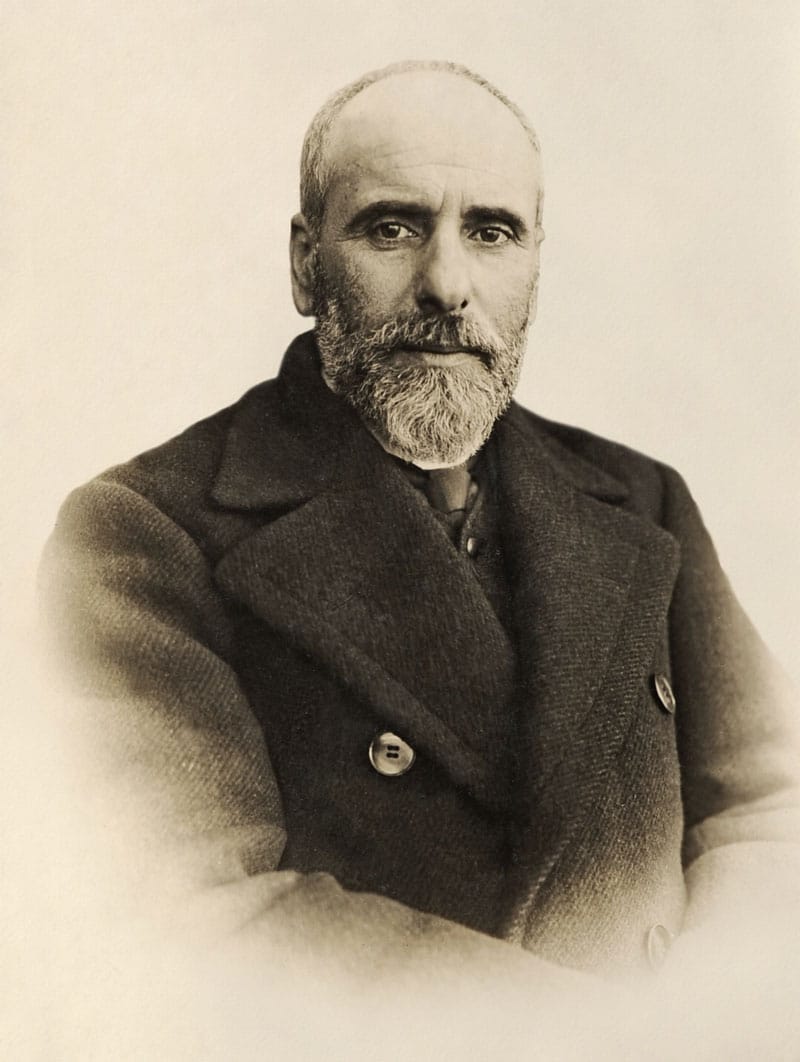
Tâhirü’l Mevlevî, 1294 Ramazânının beşinci ve 1177 Eylülünün 13 üncü Perşembe günü, İstanbul’da doğmuştur. Pederi Elhâc Mustafa Safvet bey de İstanbul’ludur. Validesi Emîne Emsâl hanımdır.
Taşkasab’da, Molla Gürânî mahallesinde kâin Hekimbaşı Ömer Efendi Mekteb-i ibtidâisinde, bilâhare Gülhâne Askerî Rüştiyesinde ve daha sonra (Menşe’ kitâb-ı Askerîye) de okumuş, de okumuş, Bâb-ı Ser Askerî piyâde dâiresine Hazîran 1308 de tâyin edilmiştir. Vazifesi ne devamla berâber , Fâtih Camii başimamı Filibeli Mehmed Râsim efendi ile Mesnevîhan Mehmed Es’ad dedenin derslerine devâm etmiş ve Es’ad dede’den mesnevi icâzetnâmesi almıştır. Büyük vâlidesinin pederi Hattat Tâhir efendinin Mevlevî olması ve mûmâileyhânın Yenikapı Mevlevîhânesi Şeyhi Osman Salâhaddin efendinin süt hemşîresi bulunması, bilhassa Hazret-i Mevlânâ’ya ve Mevlevîliğe karşı bir câzibe duyması dolayısıyle, Şeyh Salâhaddin’in mahdûmu Şeyh Mehmed Celâleddin Efendi’den sikke giymiş ve Mevlevîliğe intisâb etmiştir.
310/1312 de (henüz 18 yaşında iken) hocası Es’ad dede’nin delâlet ve refâkatiyle İskenderiye, Kâhire, Süveyş, Yanbu tarîkiyle Medîne-i Münevvere, Ravza-i Mutahhara ve Hücre-i Muattara ziyâretiyle müşerref olmuş; yine Yanbu, Cidde yoliyle Mekke-i Mükerreme’ye giderek, Ramazân-ı Şerîfi orada çıkarmış, Hac’dan sonra, Süveyş – İskenderiye tarîkiyle dönmüştü.
Evvelce kendi kendine semâ ederken, Hicaz’dan avdetini müteâkib Yenikapı Mevlevîhânesi semâzen başısı Karamanlı Halil dede’den Semâ meşk etmiş ve Semâzenler arasında şöhret kazanmıştı. Fakat Mevlevî muhibliğini kâfi görmiyerek, çile çıkarmak ve hizmet etmek isteyen merhûm, vazîfesinden istifâ edip Şaban 1313 de, Yenikapı Mevlevîhânesinde çilekeşliğe başlamış ve Hicri 1316 da mukannen hizmeti hitâma ermişti. Bu münâsebetle şu târihi söylemişti :
Mutbabında çilekeş bir câniken
Kıldı sâhib-hücre Mevlânâ beni!.
(1316)
Bununla berâber :
Ederken Mevlevînin çillesin itmâm bin bir gün
Bizim bak çille-î aşkiçre bir mîâdımız yoktur. .
Diyerek huzûru Mevlânâ’ya yüz sürmek arzûsunu gösteriyordu. Nihâyet şeyhinden aldığı müsâade üzerine yola çıktı. Evvelâ Eskişehir’e, sonra Karahisar ‘ a Konya’ya gitti. Uşak, Manisa, İzmir tarikiyle avdet etti. Bu ziyaretden sonra, Tâhirül-Mevlevi, Yenikapı Mevlevîhânesindeki hücresîne çekildi ise de, kendi tâbirîle (orada oturup vakıf lokmasına göz dikmektense kazancından yemek) istedi. Bir kütüphâne açmak ve şurada burada zamânın tahrîp ve imhâsına mâruz kalmış, mevlevî âsârını bastırmak istedi.
Evvelce tedârik ettiği ve bil’âhare Hicaz’dan getirdiği kitaplar, bir sahaf dükkânına sermâye olabilecek kadar bulunduğu için, evvelâ Bâyezid’ de , tramvay caddesinde bir dükkan tutdu ve kitaplarını oraya nakletti. Fakat Bâyezid’de satış olmaması yüzünden, kitaplarını Bâb-ı âli caddesindeki , şimdiki (Medresetül – hâttâtîn) in karşısındaki dükkanlardan birine götürdü. Yine o târihlerde, haftalık bir Gazete çıkarmak hevesine kapıldı. O zamanlar gazete ve mecmûa imtiyâzı almak pek müşkil, hattâ gayr-i mümkün olduğundan,kitabcı Karabet’in (Resimli gazete) sini kiraladı ve ilk nüshasını çıkardı. Mecmuanın kabına, evvelce neşretmiş olduğu Mevlevî muhiblerinden Vâsıf efendi tarafından toplanıp, Hazret-i Mevlânâ hakkında sitâyişkârâne birçok manzûmeyi hâvi (Mecmua-i medâyih-i Mevlânâ) nın ilâniyle berâber, bir mevlevî sikkesi resmini bastırmıştı.Fakat bu ilân, o devirdeki jurnalcılar için (Bu meyanda mâlûmat gazetesi sâhibi Baba Tâhir ile Nazif Sürûri isminde biri tarafından) fırsat addedilerek (Resimli gazete) nin kapatılmasına dâir irâde alınmış; sebeb olarak, Velîahd Mehmed Reşad efendi (Besinci Mehmed) mevlevî muhibbi olması dolayısıyle, Velîahd nâmına propaganda yapıldığı ileri sürülmüştü. Ayrıca Bâb-ı Âli’nin muhâfızı polis komiseri, meşhûr (Mektepli Ahmed Efendi), kütübhânenin tarassuduna memur edilmişti. Zaptiye Nâzırı Şefik Paşa tarafından celb ve sorguya çekilen Tâhirül-Mevlevî, töhmeti mûcib bir hareketi görülmediğinden, serbest bırakılmıştı. Mâruz kaldığı bu tazyikler karşısında kitabcılıktan çekildi. Ve memûriyet hayâtına atılmaya mecbur kaldı.
1319/1903 de Orman-Mâden ve Zirâat Nezâreti muhâsebesinde açılan bir imtihanda muvaffak oldu ve (370 kuruş maaşla Defter-i kebir kalemine kâtip tâyin edildi. Derece derece terakkî ederek, 1334/1918 de, Mâden müdüriyyet-i umûmiyesi ruhsatnâmeli mâden başkâtibi, tevhîd-i mübâyeat komisyonu tahrîrat mümeyyiz-i evveli oldu. Bu komisyonun lâğvına kadar orada kaldı; bil’âhare Ticâret ve Zirâat Nezâreti İktisad hey’eti başkitâbetine 1336/1020 tâyin olundu. Uhdesine Kalem-i mahsûs Başkâtibliği de ilâve edilmiş ise de, Kuvây-ı Millîye taraftarı olmasından dolayı azledildi. 1337/1921 de Âli satış komisyonu başkâtibi, bil’âhere eski kalemi olan Mâden müdüriyyet-i umûmiyesinin fermanlı mâden mümeyyizliğine naklolundu.
1319/1903 de muallimliğe intisâb etti. Evvelâ (Burhân-ı terakkî ve sonra (Rehnümây-i füyûzat) mekteplerinde fârisi okutdu; ikincisinde İslâm Târihi tedrisine başladı. Târih tedrîsine başlaması, o dersi okutan mektep müdürünün (Amr-ibn-il-As) ismini (Amiru) diye okuması ve okutması üzerine olmuştu.
1325/1909 da Dârüşşafaka Edebiyat ve usül-ü tahrir derslerine muallim tâyin edildi. 15/8/1929 da Maltepe Askerî Lisesi edebiyat muallimliğine ve bu vazifede gösterdiği liyâkat dolayısiyle bir sene sonra, Ağustos 1931 de terfîan Kuleli Askerî Lisesine naklolundu ve yaş haddine tâbî tutuluncaya kadar orada vazîfe gördü. Son memûriyeti, Millî Eğitim Bakanlığı Kütüphâneler Müdürlüğü Tasnîf-i Kütüb Komisyonu âzâlığı idi.
İlmî hayâtına gelince : Merhûm, bizdeki erbâb-ı kalemin ekserîsi gibi, Hüdây-i Nâbit olarak yetişmiş ve mâlûmatını zâtî mesâisiyle elde etmiştir. Arabî ve Farîsîyi iyi bilirdi, bilhassa Farîsînin bütün inceliklerine vâkıftı. Frânsızcayı da kendi kendine öğrenmiş, birçoğumuzun yapamıyacağı kuvvette tercümeler yapmıştır. Fransız edibî Telemaque’ın «Feneon» ismindeki meşhur eserinin (Mahfel) mecmûasında neşrolunan kısımları, bunu pek güzel isbât etmektedir. Önceleri mütekellifâne yazardı; fakat sonraları herkesin anlayabilmesi için, çok sâde yazmayı iltizâm etmiştir. Makalelerini, şimdiki tâbir ile akıcı bir üslûb ile yazardı. Bunlar, bugün dahî merakla, zevkle okunmaktadır. Yaptığı tercümeler çok güzeldir. Kendisinin dediği gibi: ”Tercüme edilmiş bir eserde, tercüme kokusu bulunmamalıdır.” Gerek nazmının, gerek nesrinin mümeyyiz vasfı, samîmiliktir. O: kanâati hilâfına ne bir söz söylemiş, ne de bir satır yazmıştır. İnandığına sonuna kadar sâdık kalmıştır. Rasûl-ü Ekrem Efendimize, pek nâdir kimseye nâsib olan, sarsılmaz bir imân ve sonsuz bir aşk ile bağlı idi.
O hassas bir şâir idi. Duymadan tek bir mısrâ söylememiştir. Gayri matbû’ dîvânının mukaddemesinden, şu güzel parçayı okuyalım:
“Şuarâ için, fart-ı hassâsiyet mahsûlü denir. Tehassüsdeki ifrâtın hastalık olduğu, o nevî mütehassisin hasta bulunduğu söylenir. Şu kavle göre, en hisli, en ziyâde merîz insanlardır. Maalesef ben de o zavalılardan biriyim. Çünkü hassâsiyet denilen devâ nâpüzeyr bir illetin, şifâ nâ ümîd mübtelâsıyım. Bu hasta, dâhilî ve hâricî birtakım âlâm ve esbâbın tazyîkiyle inler, hattâ nâlezenliği bazan da yıllarca sürer. İşitenleri acındırmakla berâber, usanç verdiği de olur. Hasta, verdiği melâli, pekâlâtakdir eylediği hâlde, iniltilerini kesemez. Zîrâ o, tellümât ile iztırâbâtının hafiflediğini tevehhüm eder. Belki aks-i feryâdını duymakla tesellî bulur. Benim de (Dîvân nâmına tertîp eylediğim şu mecmûa, bu türlü tavsiyeleri muhtevîdir ki, herbiri enfüs ve âfâkı muhtelif teessürâtın kalbî ve rûhî şîveleridir. İçlerinde gülümsemeyi andıranlar varsa, o gibileri bâzı mesâib karşısında gayri ihtiyârî salıverilmiş zehrîn handeleridir…” dedikten sonra: «Medîd ve mükerrer akislerini yalnız kalbimin duyacağı o iniltiler, ben öldükten sonra da Felek kubbesini çınlatsınlar. İhtimâl ki, birinin bir tanîni, insaflı bir sâmiin merhamati hissini galeyâna getirir de, sâhibi hakkında ALLAH rahmet eylesin düâsında bulunur. Bir tarafa gitmiş olanların, burada kalanlardan bekledikleri de ancak budur.
Tâhirü’l-Mevlevî, divân edebiyatının en son mümessillerinden biri idi. Bugün artık hemen hemen müntesibi kalmamış olan, bu sâhada geniş bilgisinin muhassalasını (Edebiyat Kaamûsu) ismindeki çok kıymetli bir eserinde toplamıştır, ki, bunun basılması, memleket ilim ve irfânı nâmına ne kadar şâyân-ı arzûdur.
Merhûm çok ince ruhlu bir şâir olmakla berâber, eşsiz bir muallimdi. Takrirleri esnâsında güzel fıkralar, ince nüktelerle talebesine ders dinletir, en ağır bahisleri bile hemen orada öğretirdi. Süleymâniyye, ve son zamanlarda Lâleli câmiindeki (Mesnevî Dersleri) ne devam edenler, nekadar açık bir lisan, ne kadar güzel bir ifade ile, tasavvufun en derin bahislerini îzâh ettiğini görmüşlerdir. Meclisinde bulunanlar İslâm Târîhine, tasavvufa ve edebiyat târîhine dâir bilmedikleri bir çok şeyleri öğrenir, vaktin nasıl geçtiğini anlıyamazlardı. Sohbetine doyum olmazdı.
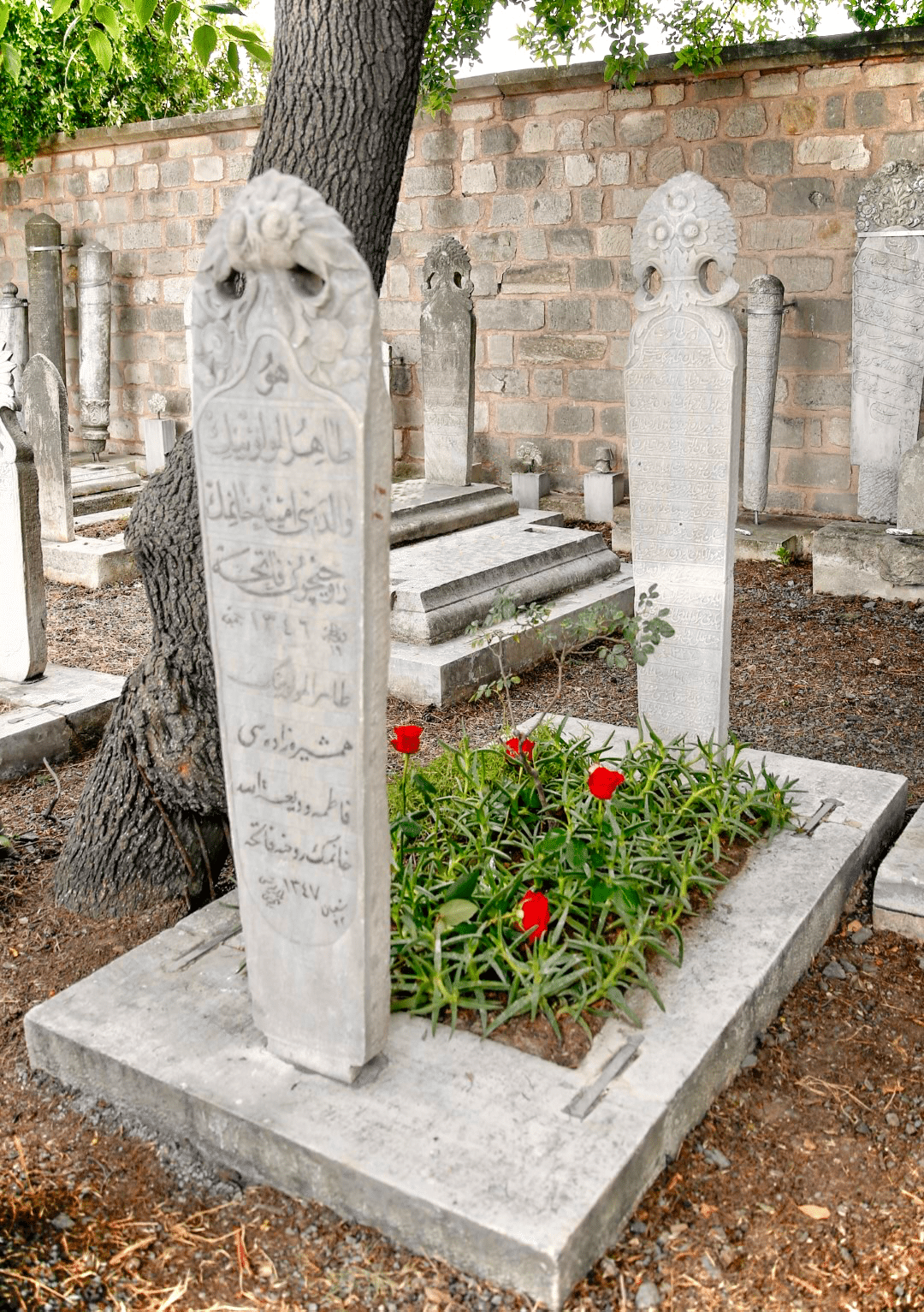
Eserlerine gelince : Bunlar 60’ı mütecâvizdir.
BASILMIŞ VE BASILMAMIŞ KİTAPLARI
Basılmışları:
1 — Mirât-ı Hz. Mevlânâ
2 — Dîvânçe-i Tâhir
3 — Nazım ve Eşkâli Nazım
4 — Edebiyat Lügati
5 — Teşebbüs-i Şahsî
6 — Şeyh Celâleddin Efendi Merhûm
7 — Cengiz ve Hülâgû Mezâlimi
8 — Şeyh Şâmilin Gazevâtı
9 — İslâm Medreseleri Talebelerine Târih Hülâsaları
10 — Şeyh Sa’dî’nin Bir Sergüzeşti
11 — Âmûzgâri Fârisî
12 — Destâviz Fârisî Hânân
13 — Efgan Emîri Abdurrahman Han
14 — Hindin Moğol Hükümdarları
15 — Hind İhtilâlî
16 — Şükûfe-i Bahâristan
17 — Hazret-i Peygamber ve Zamânı
18 — Hind Masalları
19 — Fuzûlîye Dâir
20 — Nev’î ve Sûriye Kasîdesi
21 — Bâkîye Dâir
22 — Müslümanlıkda İbâdet Târihi
23 — İslâm Askerine
24 — Manzum Bir Muhtıra
25 — Mesnevî’nin Eski ve Yeni Mu’terizleri
26 — Mesnevî’nin En Son Mu’terizine
27 — XII – XVI. Asır Şaîrlerinin Dîvanları Kataloğu
28 — Aylık (Mahfel) Mecmuası
29 — Târih-i İslâm Sahîfelerinden
Basılmamışlar:
30 — Tefsîr-i Hüseynî Tercümesi (Nâtemam)
31 — Siyer-i Peygamberî (Bedr Gazâsına kadar yazılmıştır.)
32 — Târîh-i Enbiyâ
33 — Asr-i Saâdetde Müslümanlığın Medeniyyete Hizmetleri
34 — Şâir Giritli Ali İffet Merhum
35 – Kamerî Aylara Dâir Mâlûmat
36 – Büyüklerimizden Bâzı Zevât
37 – Tercümelerim
38 – Manzûm Bir Muhtıranın Zeyli
39 – Matbuat Âlemindeki Hayâtım
40 – Nedîmin Köşk Kasîdesi ve Şerhi
41 – Sünbüllüzâde Vehbinin (Tanâne) Kasîdesi ve Şerhi
42 – Ibni Kemâlin Yavuz Mersiyesi ve Şerhi
43 -Bursalı Gazâlî
44 – İki Mektup ve Sürûrî ile Gubâri
45 – Bâkînin Kâanûnî Mersiyesi ve Şerhi
46 – Bâkînin Sünbül Kasidesi ve Şerhi
47 – Yahya Bey’in Şehzâde Mustafa Mersiyesi ve Şerhi
48 – Nefi’nin (Hotin) Kasîdesi ve Şerhi
49 – Şerif Sabrinin Ebu Saîd Kasîdesi ve Şerhi
50 – Fuzûlinin Bağdad Kasîdesi ve Şerhi
51 – Fuzûlînin Şikâyetnâmesi ve Şerhi
52 – Kudemây-i Mevleviyye
53 — Veliyüddin Oğlu Ahmet Paşa Dîvânının Nesre Çevrilişi
54 — Dîvân-ı Tâhirülmevlevî (İkinci Dîvân)
55 – Dîvânçe-i Fârisî Tâhir.
Bu eserlerden maadâ aylık Mahfel Mecmûası (l – 68) numara. Beyânülhak , Sırâtı Müstakîm, mecmûalarında ve en son olarak «İSLÂMIN NURU» nda ve diğer dergilerde dînî, târihî, edebi bir çok makaale.
Merhûm; 75 senelik hayâtının elli yılını tedkik ve tetebbûâtda bulunmak; bildiklerini usanmadan, bıkmadan ve hiçbir maddî menfeat gözetmeden öğretmek ile geçirerek, memleket ilim ve irfânına çok büyük hizmetlerde bulunmuştur. Bizde bâzı kıymetli bilginler, didaktik yâni ta’lîmî eserler neşretmek istemedikleri ve bilgilerini kıskandıkları için, bâzı sâhalarda geri kalmamıza sebeb olmuşlardır. Halbukî, yukarıda saydığımız eserlerinde görüleceği veçhile, Tâhirül-Mevlevî, hiç bir vakit bildiklerini öğretmekden çekinmemiş bunu Millî ve dînî bir vazife telâkkî etmiştir.
“Öğretmek, ilmin zekâtıdır!..” derdi. Her biri büyük emek ve uzun bir sabır ile meydana gelen eserleri meyânında, bilhassa ikisi ürerinde durmak, istiyoruz.
Kütüphâneler müdürlüğüne bağlı tasnîf-i kütüp komisyonuna âzâ tâyin edildiğinden îtibâren, İstanbul kütüphânelerinde bulunan Türkçe yazma dîvanları tetkike başlayan merhûm, 20 nci asra kadar dîvân sahibi şâirlerin yazma dîvanları kataloğunu, vefâtından kısa bir zaman evvel ikmâle muvaffak olmuş ve bu kataloğun 12/16 ncı asra âid birinci cildi, 1947 de Millî Eğitim Bakanlığınca neşredilmiştir. İkinci cildin de matbaaya verildiğini ve yakında yayınlanacağını memnûniyetle öğrenmiştik. Edebiyat târihimizde araştırmalar yapacaklar için çok büyük değer ve ehemmiyeti hâiz olacak bu eser, üstâdın ilim ve fazlını isbâta kâfidir. Fakat bizce en olgun ve mühim eseri (Mesnevi Dersleri) nâmı altında (Mesnevî) ye yazdığı şerhtir. Tefsîr, Hadis, İslâm Târîhi, tasavvuf sahalarında bütün müktesebâtının muhassalası olan bu şerh, (Mesnevî-i ma’nevî) yi bugünkü nesle îzâh edecek bir bilgi hazinesidir. Merhûmun hocası Mehmet Es’ad efendi, yarım asra yakın Fâtih câmiinde Mesnevî okutmuş, onun vefâtından sonra Karahisarlı Ahmef efendi oraya Mesnevîhan olmuştu. Onun vefâtında bu ders TâhirüI-Mevlevî’ye verilmiş ve haftada bir gün 20 Ağustos 1339/1923 den 7 Aralık 1341/1925 târihine kadar Mesnevî takrîr etmiştir Derste söyliyeceklerini hatırlamak için hazırladığı notlarını tevsî ederek Mesnevî’nin birinci cildinin dördde üçünü tercüme ve şerh etmiş, bilâhere ehibbâ ve talebesinin ricası üzerine birinci cildini tamamlamıştır. Süleymâniye câmiinde (Kubab Çavuş) nâmmdaki bir zâtın vakfetmiş olduğu Mesnevîhanlık cihetinin 1948 yılında üstâda tevcîh edilmesi üzerine 29 Mayıs 1948 den îtibâren bu câmide, müteâkiben Râgıp Paşa kütüphânesinde tasnîf-i kütüp komisyonundaki vazîfesine yakın olması dolayısiyle Cumartesi günleri Lâleli câmiinde Mesnevî takrîrine başlamış ve muntazaman derslerine devam ederek bir taraftan Türkçe yazma dîvan kataloğonu hazırlamak, diğer taraftan Mesnevînin tercüme ve şerhini temamlamak için, yaşı 70 i mütecâviz olduğu ve mi’de ülserinden muztarip bulunduğu hâlde geceli gündüzlü çalışmıştır.
Mâlumdur ki. Hazreti Mevlânâ’nın mübârek ve ölmez eseri, İsmâîl Ankaravî merhum tarafından şerh edilmiş ise de, üstâdımızın dediği gibi, bu şerh bugün anlaşılamıyacak bir hâle gelmiş olan bir üslûb ile yazılmıştır. Son senelerde neşrolunan tercümeler ise okuyucuları tatmîn edici mâhiyetde değildir, İşte bu vaziyeti göz önünde bulunduran merhûm, (Mesnevî Dersleri) ni yazmak istemiştir.
(Mesnevî) yi okuyup anlamak, ancak (Mesnevî Dersleri) nin mütâleasıile mümkün olacaktır.
Tâhirül-Mevlevî’nin vefâtı, memleket için çok büyük bir kayıbdır. Bıraktığı boşluğun kolay kolay doldurulacağını tahmîn etmiyoruz. Belki gün geçtikçe değerinin büyüklüğü anlaşılacaktır.
(Tâhir Hoca) yalnız ilmen değil, ahlâkan da yüksekti. Merhûm, dâima fakirlerin, kimsesizlerin yardımına koşmuş ve hiçbir zaman maddiyat için çalışmamıştır. Çünki ehl-i dünyâ değildi, hakikî bir müslüman, asîl ruhlu, ulûvvicenab sahibi ve tam mânâsiyle kâmil bir insandı.
Rahmetüllâhi aleyhi rahmeten vâsia…
Sâdi Aytan